


24/7 Emergency
0407 172 106
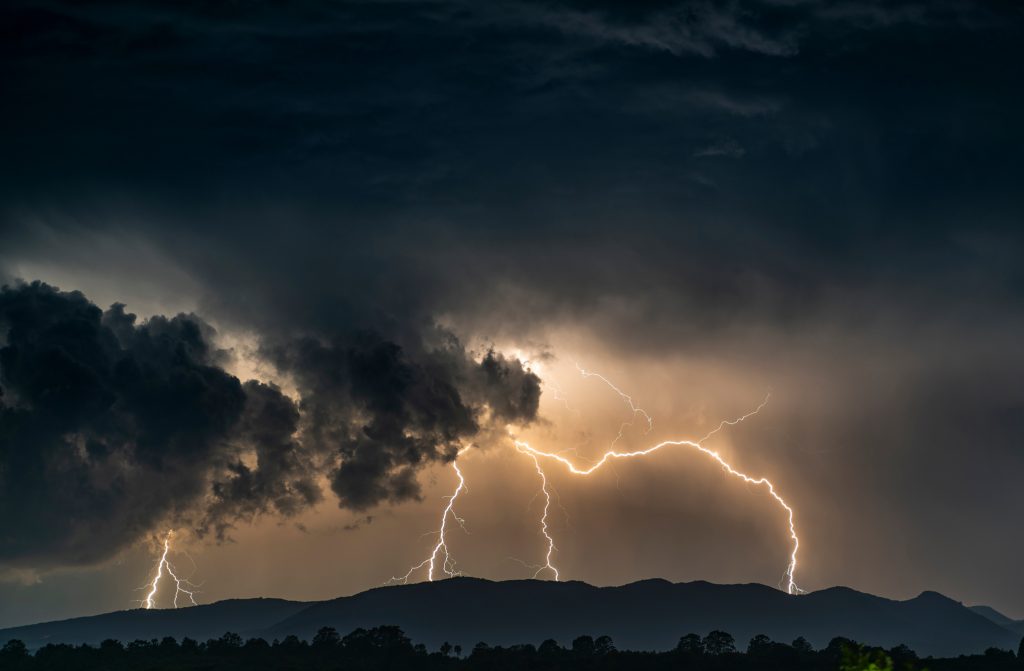
As storm season approaches, it’s essential to take proactive steps to protect your home from the potential damage caused by heavy rain, high winds, and flooding. Brisbane’s storm season typically runs from November through April, and while most homeowners focus on securing windows and doors, one area that’s often overlooked is the plumbing system.
A well-maintained plumbing system can make all the difference in minimising water damage, preventing leaks, and avoiding costly repairs when storms hit. Storms can put extra pressure on your pipes, drains, and fixtures — making it vital to ensure everything is in tip-top condition before the weather turns.
Here are 8 practical plumbing checks that will help you safeguard your home this storm season.
1. Clear your gutters and downpipes
Blocked gutters and downpipes can cause rainwater to overflow, leading to roof damage, water pooling, and foundation weakening. Debris like leaves and twigs often clog these systems, making it hard for water to drain properly during storms.
Prevention: Regularly clean your gutters and downpipes, removing all debris to allow water to flow freely. Check for rust or damage and consider installing gutter guards to reduce future clogs. Ensure downpipes direct water away from your foundation to prevent flooding. If you notice ongoing damage, our roof and gutter repair team can help, and we also handle downpipe replacement if yours are past saving.
2. Check outdoor drains
Clogged outdoor drains can cause water to back up into your yard or home during heavy rainfall. Dirt, leaves, and debris often accumulate in these drains, making them inefficient when you need them most.
Prevention: Inspect and clear all outdoor drains before storm season. Remove blockages and consider professional cleaning for deep clogs. If your drains struggle during heavy rain, adding larger or extra drains can improve water flow and reduce flooding risks — our blocked drain service includes CCTV camera inspections to find the cause fast.
3. Inspect for leaks or weak pipes
Old or damaged pipes are more likely to fail under pressure of stormwater, leading to leaks or bursts. Even minor damage can worsen during heavy rain, causing significant water damage.
Prevention: Examine exposed pipes for signs of wear, such as cracks or corrosion, and repair or replace them as needed. A professional plumber can assess hidden vulnerabilities and suggest upgrades to more durable materials like PVC or copper for added protection. If you suspect a water leak, it’s best to have it checked before storm season arrives.
4. Secure outdoor fixtures
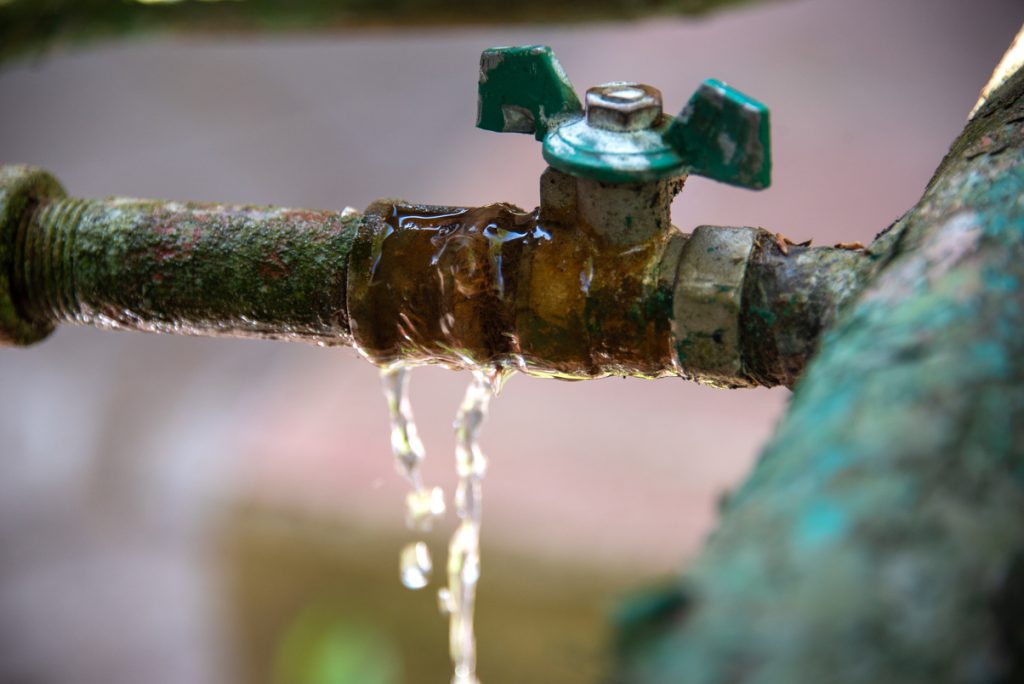
Outdoor plumbing, such as garden taps and irrigation systems, is vulnerable to storm damage. High winds and debris can easily break or loosen these fixtures, resulting in leaks or disconnections.
Prevention: Disconnect hoses and secure outdoor taps before the storm season. Check for any weak or damaged fixtures and ensure irrigation systems are tightly fastened to withstand strong winds.
5. Install backflow prevention
Heavy storms can overwhelm sewer systems, causing wastewater to backflow into your home. This leads to unsanitary conditions and extensive damage to your plumbing system.
Prevention: A backflow prevention device blocks wastewater from entering your pipes during flooding. A licensed plumber can recommend the right device for your home and ensure it’s installed correctly for maximum protection.
6. Locate your shut-off valve
In a plumbing emergency, knowing how to shut off your water supply can prevent extensive damage. Delays in locating or accessing the valve can worsen the situation.
Prevention: Identify your home’s main water shut-off valve and ensure it’s easy to access. Teach all household members how to use it, and check regularly to confirm it’s in good working order.
7. Test your sump pump
Sump pumps are essential for preventing basement flooding, but they can fail during storms if not properly maintained. A malfunctioning sump pump leaves your home vulnerable to severe water damage.
Prevention: Test your sump pump by pouring water into the pit and ensuring it activates and drains water correctly. Repair or replace any faulty parts, and consider a battery backup system to keep the pump running during power outages.
8. Schedule a professional inspection
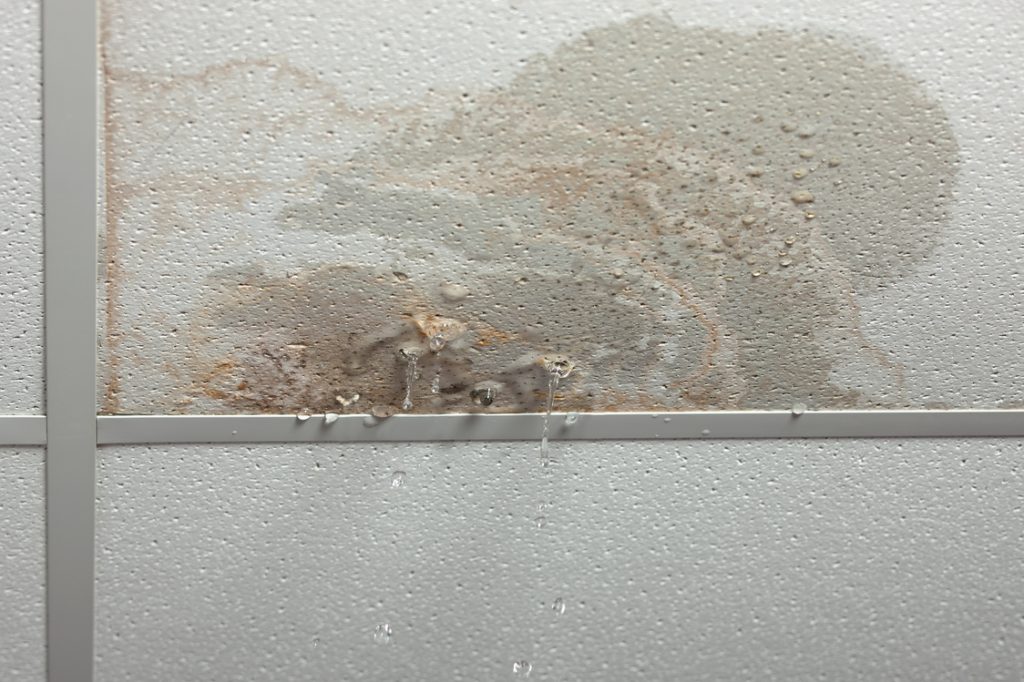
Hidden plumbing issues can go unnoticed until they cause serious problems. Stormwater puts extra stress on your system, making even small vulnerabilities a potential hazard.
Prevention: Schedule a plumbing inspection before storm season to catch and address issues early. A professional can assess your pipes, drains, and sump pump to ensure they’re storm-ready and functioning properly. For the latest severe weather outlook, check the Bureau of Meteorology’s storm season forecast for Queensland.
Conclusion
Storm season doesn’t have to mean stress and costly repairs. By taking proactive steps like clearing gutters, securing outdoor fixtures, and testing sump pumps, you can protect your plumbing system and your home.
For expert advice or assistance in preparing your plumbing for storm season, contact Positive Plumbing QLD today or call us on 0407 172 106 — we’re servicing Brisbane’s north side and Moreton Bay, 24/7.

Get a quote
Fill out the form below, and one of our friendly staff will come back to you with a quote within 24 hours